Packing Algorithm
Adding support for rectangular objects in a dynamic packing algorithm using Python in Rhino3D, exploring greedy, recursive, and genetic approaches.
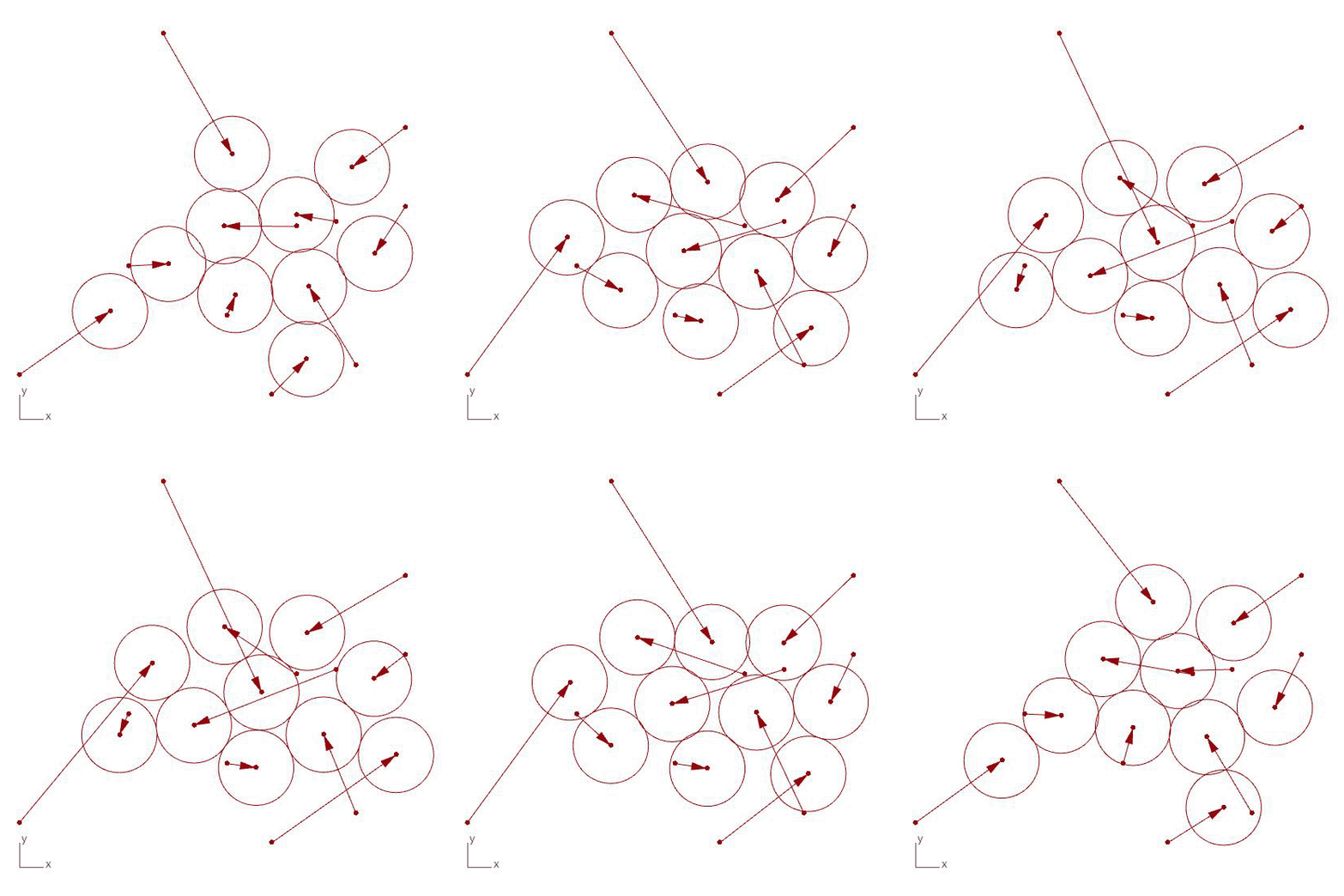
A packing algorithm is a method for arranging objects efficiently within a given area to minimize waste and maximize space utilization. Packing algorithms are used across shipping, manufacturing, and logistics to optimize resource use and reduce costs.
This project extended an existing packing algorithm to support rectangular objects in Rhino3D using Python, contributing directly to the design-ai.net platform via open-source pull request.
Several algorithmic approaches were explored and compared:
- Greedy algorithms — Select the largest object first and fit smaller objects around it. Effective for simple problems but not always optimal.
- Recursive algorithms — Break the problem into smaller sub-problems and solve them recursively, dividing space into smaller rectangles.
- Genetic algorithms — Use a simulated evolutionary process, randomly generating candidate solutions and selecting the fittest across generations.
- Dynamic programming — Break the problem into sub-problems and combine solutions to find an optimal arrangement.
The implementation focused on balancing computational efficiency with packing density, enabling Rhino3D users to pack rectangular geometries programmatically within architectural design workflows.