Generative Design
Exploring bias, limitations, and computational methods in generative architectural design models using design-ai.net.
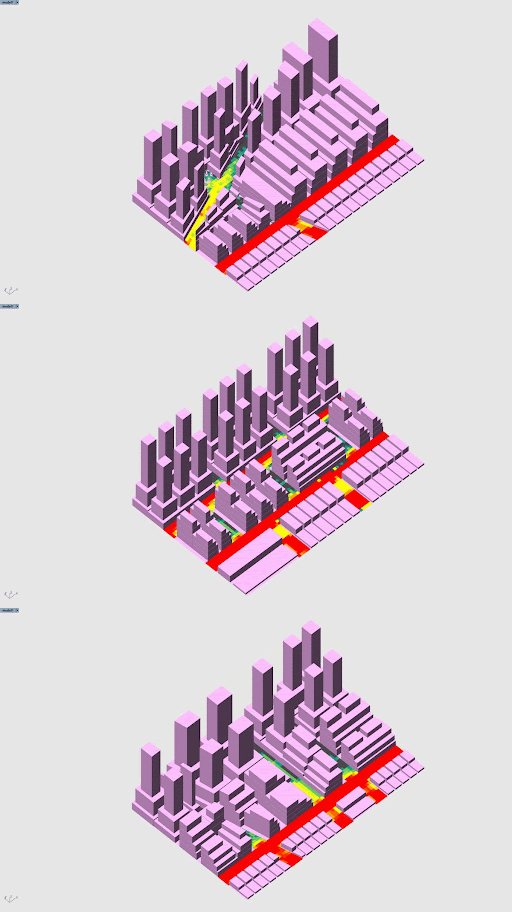
Generative design uses computational models to explore and generate design solutions — but every step in creating such a model carries the potential for bias, and every model comes with significant limitations worth articulating.
This project explored generative architectural design using the design-ai.net platform, examining both the outputs and the assumptions baked into the workflow.
Bias exists at almost every step: setting goals, measuring outcomes, and selecting the inputs to test. Documenting who you are designing for — and what assumptions you make along the way — is essential to producing honest computational design work.
Limitations are equally important to surface. For example, street grids in this model are constrained by Box Morph, and direct sun to buildings is used as a proxy for heat gain — a simplification with real consequences. Articulating these limitations is part of the intellectual contribution of the work.
The project contributed to the open-source design-ai.net platform, with code submitted via pull request to extend the generative model's capabilities and improve documentation around its assumptions and edge cases.